|
|
|
Speakers
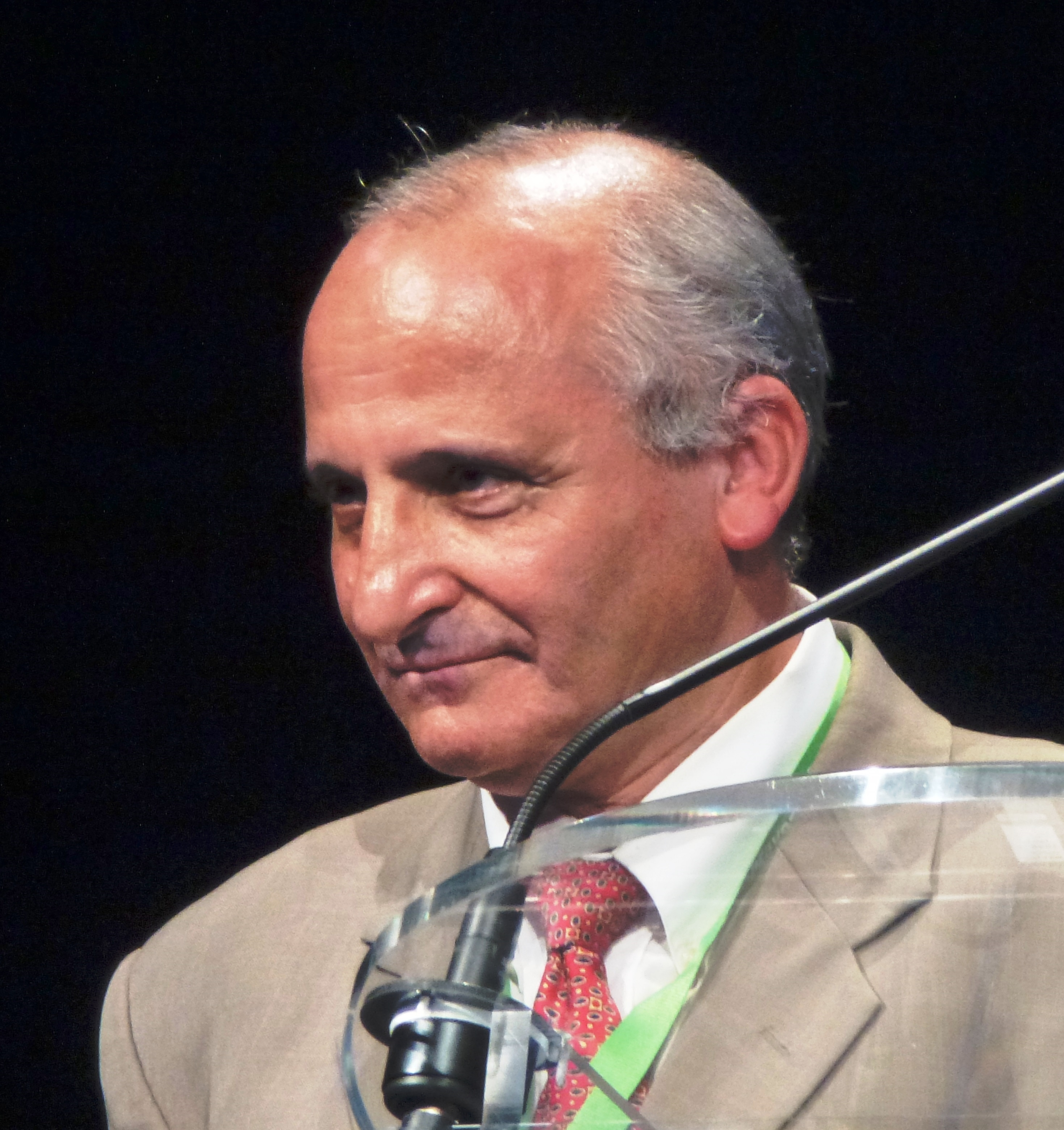 Yazami RachidIs a Moroccan scientist, engineer, and inventor. He is best known for his critical role in the development of the graphite anode (negative pole) for lithium-ion batteries and his research on fluoride ion batteries. While holding a research director position with the CNRS in France, Yazami served as a visiting associate at the California Institute of Technology between 2000 and 2010. In 2010, Yazami was appointed a Nanyang Visiting Professor. He was promoted in 2012 to the Cheng Tsang Man Chair Professor in Energy at the School of Materials Science and Engineering of the Nanyang Technological University (NTU) in Singapore. Yazami is the co-author involved in over 250 published papers and the co-inventor of about 160 patents related to lithium primary and rechargeable batteries and on new battery chemistry based on fluoride ion. In 2014, Rachid Yazami, John Goodenough, Yoshio Nishi, and Akira Yoshino were awarded the Draper Prize by The National Academy of Engineering for pioneering and leading the groundwork for today’s lithium-ion battery. The prize. That same year, Yazami was a finalist of the Global Energy Award (Russia, 2014). |
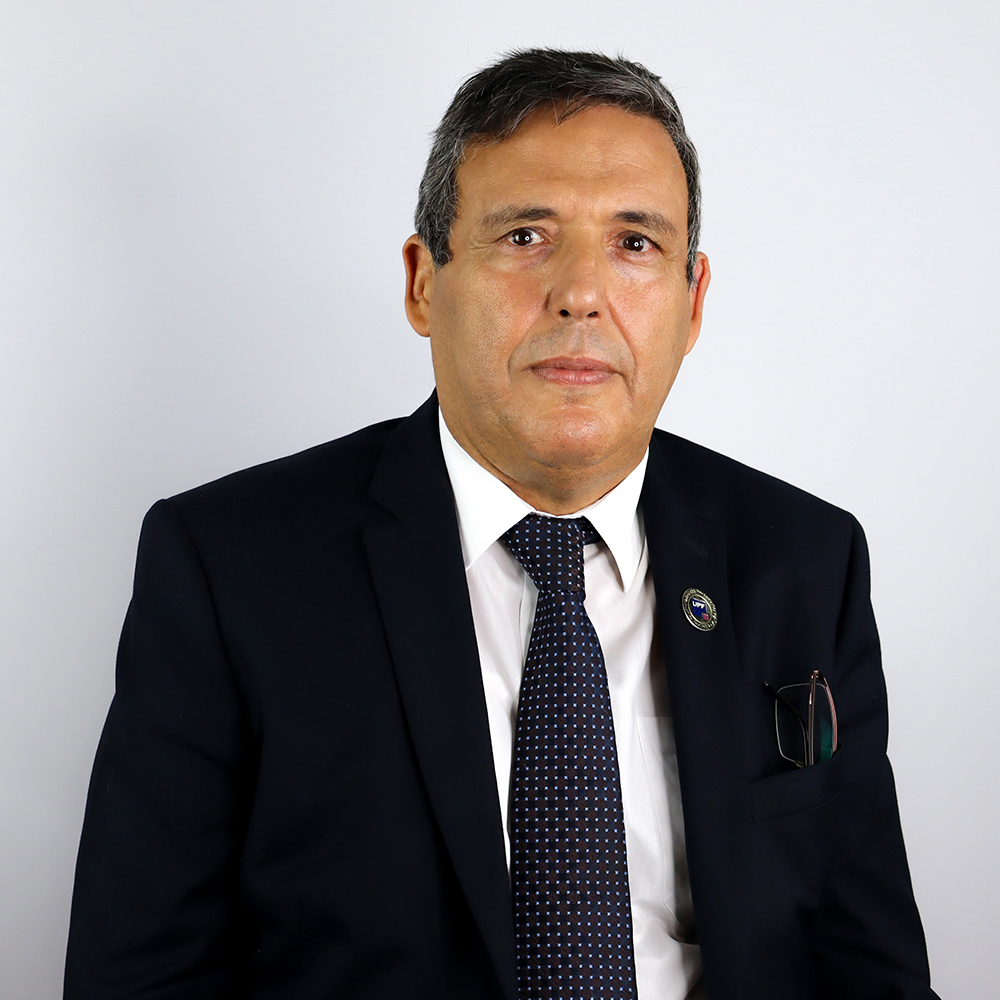
Mohammed Ouazzani Jamilis a Moroccan physicist and academic leader, currently serving as Vice-President of the Université Privée de Fès (UPF) since 2021 and Dean of the Faculty of Engineering Sciences since 2015. He also heads the Laboratory of Intelligent Systems and Sustainable Development, where his research focuses on Li-Ion batteries, dynamic systems, materials science, and sustainable technologies. He has authored and co-authored more than 90 indexed scientific publications, supervised over 18 doctoral theses, and participated in numerous national and international research projects such as PARS, PROTARS, CNRS/CNRST, PICS, and Actions Intégrées. He has also contributed to educational innovation, particularly in the design of engineering and preparatory programs at UPF and the modernization of scientific undergraduate curricula in Morocco. As an active member of the scientific community, Professor Ouazzani Jamil sits on editorial boards of international journals and has been president or jury member for more than 50 doctoral defenses. His career reflects a strong commitment to research excellence, academic development, and the promotion of sustainable innovation in higher education. |
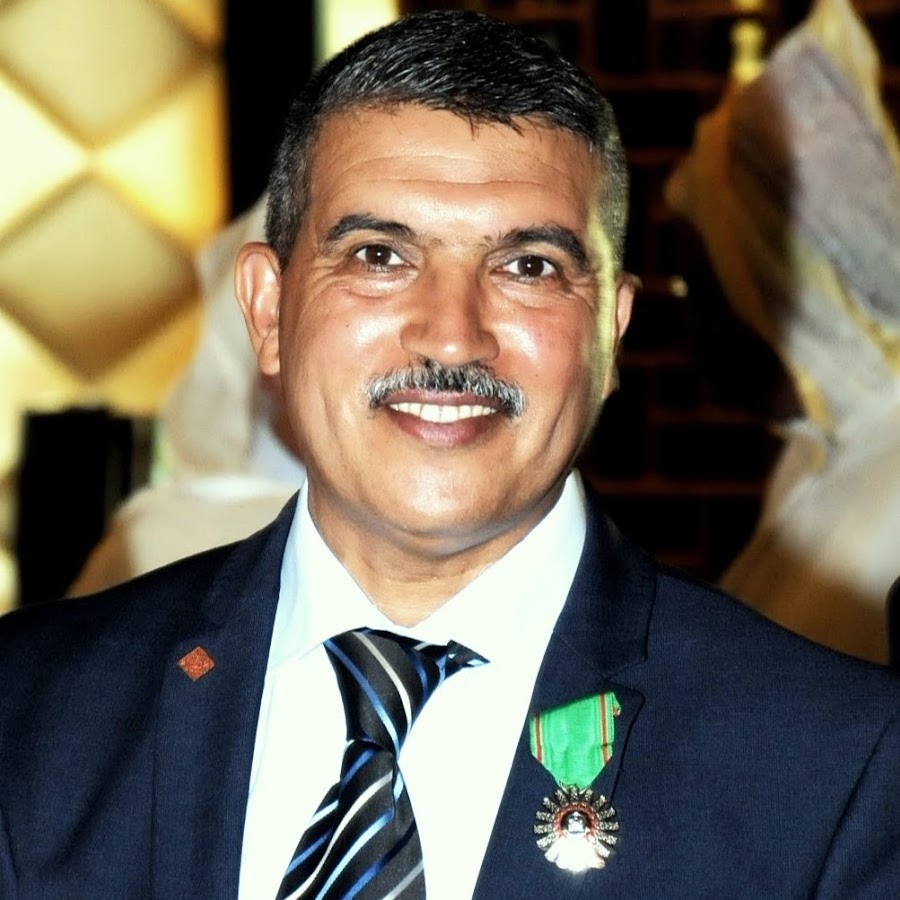
Hammouti Belkheirwas awarded a PhD degree in corrosion science in 1994. He is currently a Researcher at the Euromed University of Fes, UEMF, Morocco. His research interest covers acidity sensors and corrosion inhibition of iron, steel, lead, aluminium and copper in mineral acids by tetrazole, pyrazole, polymer, thiophene, pyridine, peptide, aminoacid and ester compounds. Additionally his research interest is moreover directed towards the field of the pesticides, selective electrodes water treatments. He has published more than 700 papers in corrosion and sensors fields. In last March, 2006, he received the Elsevier Award as the most published author in Morocco since the year 2000. Prof. Hammouti received also the Arab Award in Chemistry 2013. The Award granted by the Union of Arab Chemists in its 32nd meeting in Ras Al Khaimah-Emirates- and funded by the Saudi Chemical Society in April 2013. On July 30, 2015 by His Majesty The King Mohammed VI, decorated Prof. Hammouti of Wissam (Faress) on the occasion of the 16th anniversary of King Mohamed VI's accession to the throne day. |
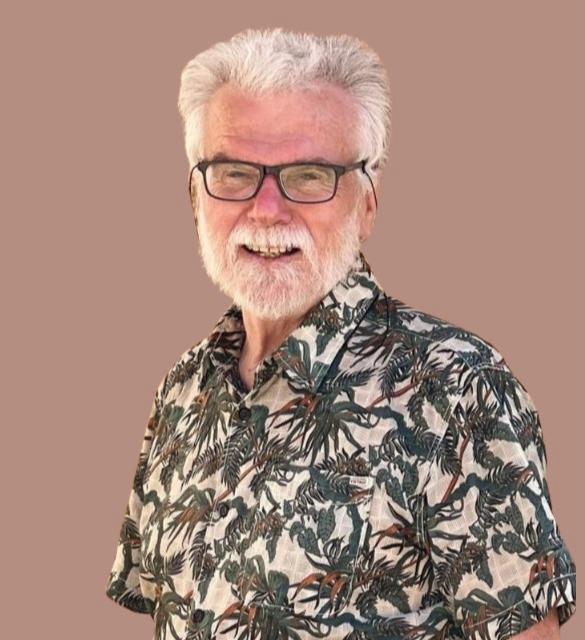 Patrick SimonPatrick Simon is an international consultant, entrepreneur, and expert in sustainable territorial development with more than five decades of professional experience in Morocco. He is the President of the Moroccan Association for the Development of the Jbel Bani Geopark (AMDGJB), where he promotes sustainable tourism, geo-tourism, rural innovation, and inclusive local development across Southern Morocco. Throughout his career, he has held several strategic positions, including Board Member of the National Confederation of Tourism (CNT Morocco) and the National Federation of the Hotel Industry (FNIH Morocco), as well as President of the Tourism Sustainability Commission. He is also a visiting lecturer at the Euro-Mediterranean University of Fez (UEMF/Sorbonne I), specializing in heritage management, eco-tourism, and territorial development. Patrick Simon has led and contributed to numerous national and international initiatives related to sustainable tourism, green hydrogen mobility, climate adaptation, and rural entrepreneurship. He is recognized for establishing the Sustainable and Rural Tourism Network of the Jbel Bani Geopark and for fostering collaborations with universities, research institutions, and development organizations in Africa and Europe. He has also participated in many international conferences and scientific events focused on sustainability, tourism innovation, and regional development. |
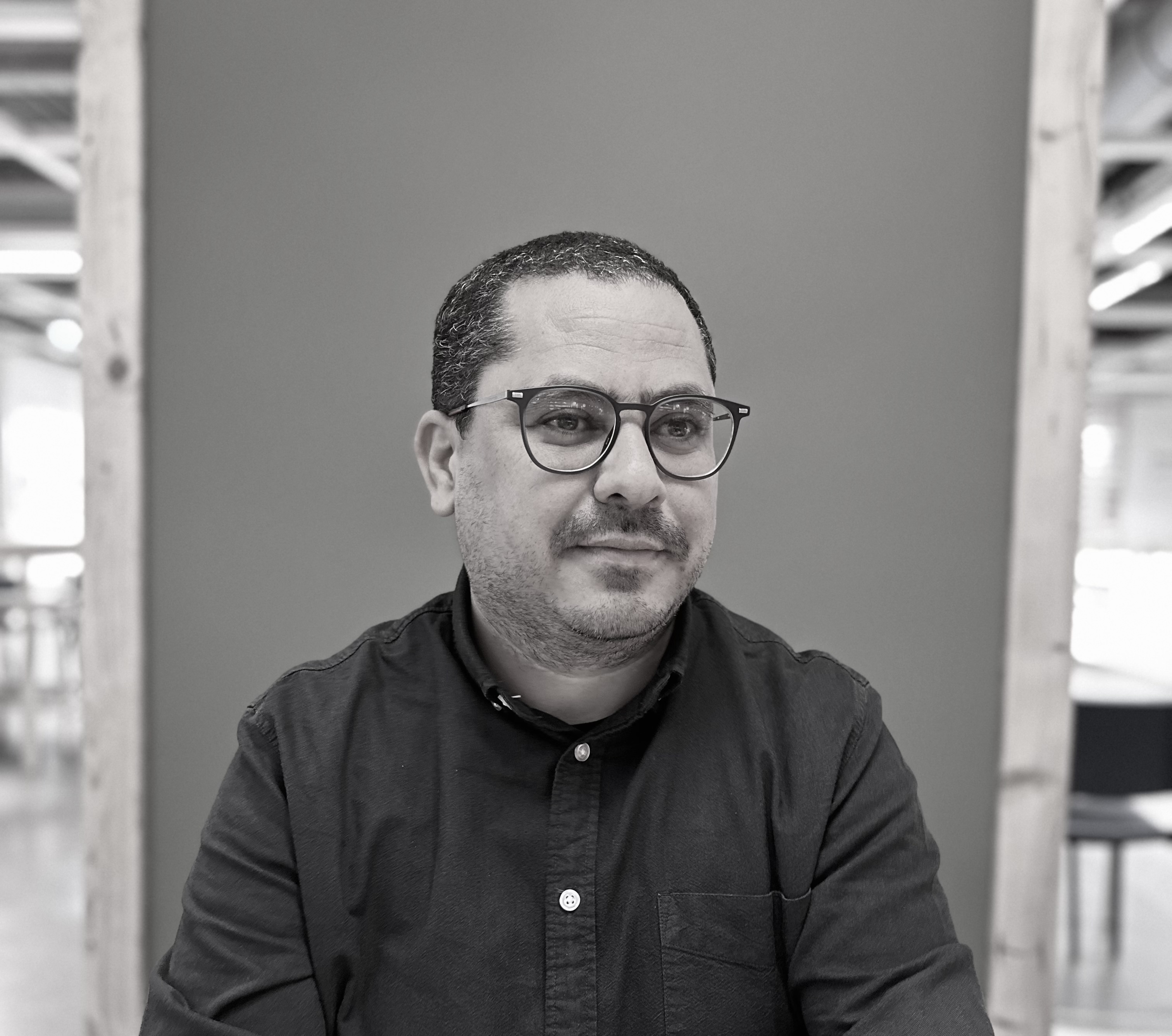
Mohamed-Anis GALLASIs an architect, researcher, and teacher specializing in parametric design methods, digital technology applied to architecture, and BIM (Building Information Modeling). He is currently a lecturer and head of teaching and research at the Faculty of Architecture and Urban Planning at the University of Mons (Belgium). Through his leadership of the research and teaching unit “Theories and Practices of Digital Technology in Architecture,” he questions and experiments with the interactions between digital technology and architectural design, exploring their impacts on creative, constructive, and educational processes. His scientific and educational work lies at the intersection of several themes: -Parametric design and optimization, -BIM modeling and collaboration, -Virtual reality and immersive environments, Social sustainability, circularity, and digitization of the built environment. The author of numerous publications and contributions, Mohamed-Anis Gallas develops an in-depth reflection on contemporary changes in architectural practice in the digital age. His research aims to articulate technological innovation, environmental responsibility, and the transformation of professional and educational practices. |
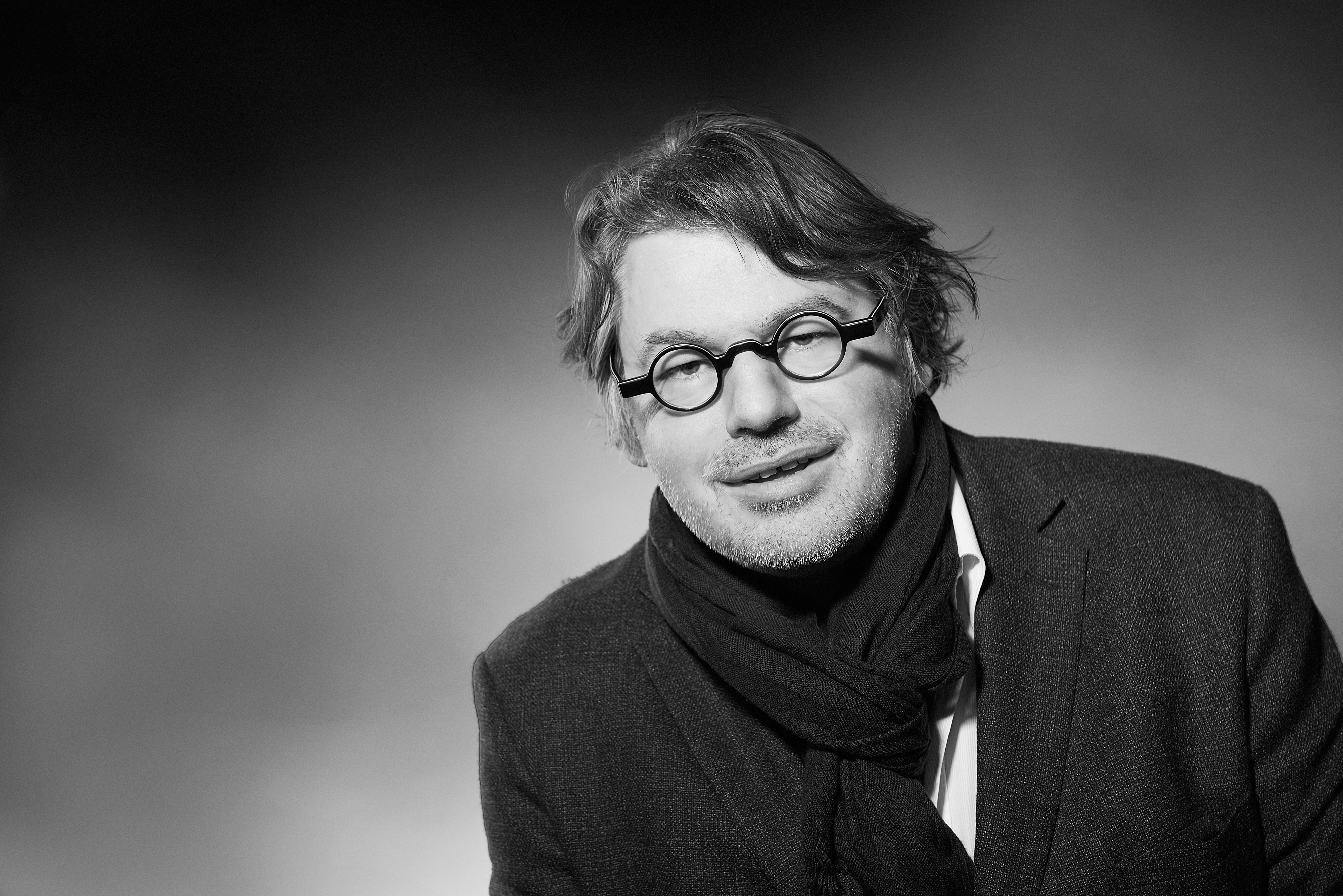
Pascal SIMOENSA lecturer and researcher at the Digital Theory and Practice in Architecture Laboratory at the University of Mons (Belgium), he has an unusual background, having worked continuously in a design office since 1997 while completing his thesis. Now both a university researcher and head of R&D at an environmental engineering consulting firm, he builds bridges between research and the application of innovation in projects. As part of his research, he introduces the concept of “low entropy” into project governance by defining the systemic relationships between data and low-carbon construction during design (simulations, calculations, and standardization) extended through usage (monitoring). |
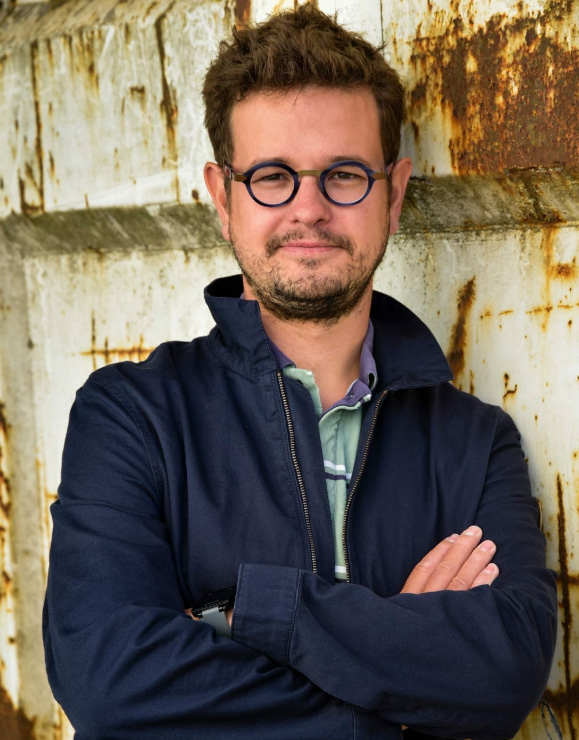 Blanckaert Simonis a researcher at the Faculty of Architecture and Urban Planning at the University of Mons, where he conducts research in architectural engineering and adult education. A 2006 graduate of the École Nationale Supérieure du Paysage de Versailles, his career and professional encounters have enabled him to combine multiple areas of expertise and to work across all territorial scales. In each project, he explores the different dimensions of the profession, combining the landscape designer’s perspective, the technician’s rigor, the artist’s creativity, and the urban planner’s logic.. |
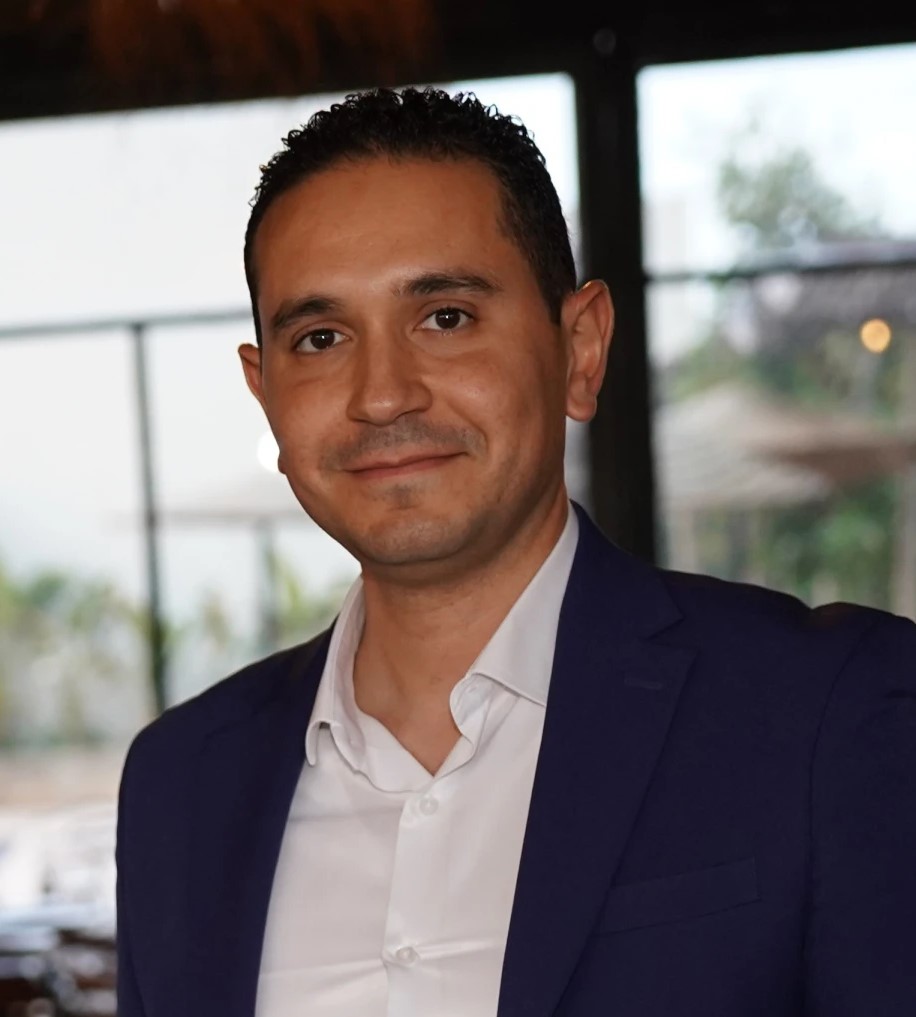 Atif El YoussfiAtif El Youssfi is a Moroccan entrepreneur specializing in innovation, entrepreneurial support, and startup development. He is the founder and CEO of INCUBOOSTER, one of the first startup incubators in Fez. Committed to structuring the regional entrepreneurial ecosystem, he has for several years supported project leaders, startups, and innovative initiatives, particularly in the fields of digital, creativity, and new technologies. Through his work, he actively contributes to promoting innovation and entrepreneurship among young people, connecting startups with investors and institutions, as well as developing incubation programs, hackathons, and innovative challenges. He regularly speaks at conferences, panels, and mentoring programs, where he shares his expertise on innovation, digital transformation, and developing high-impact projects. |
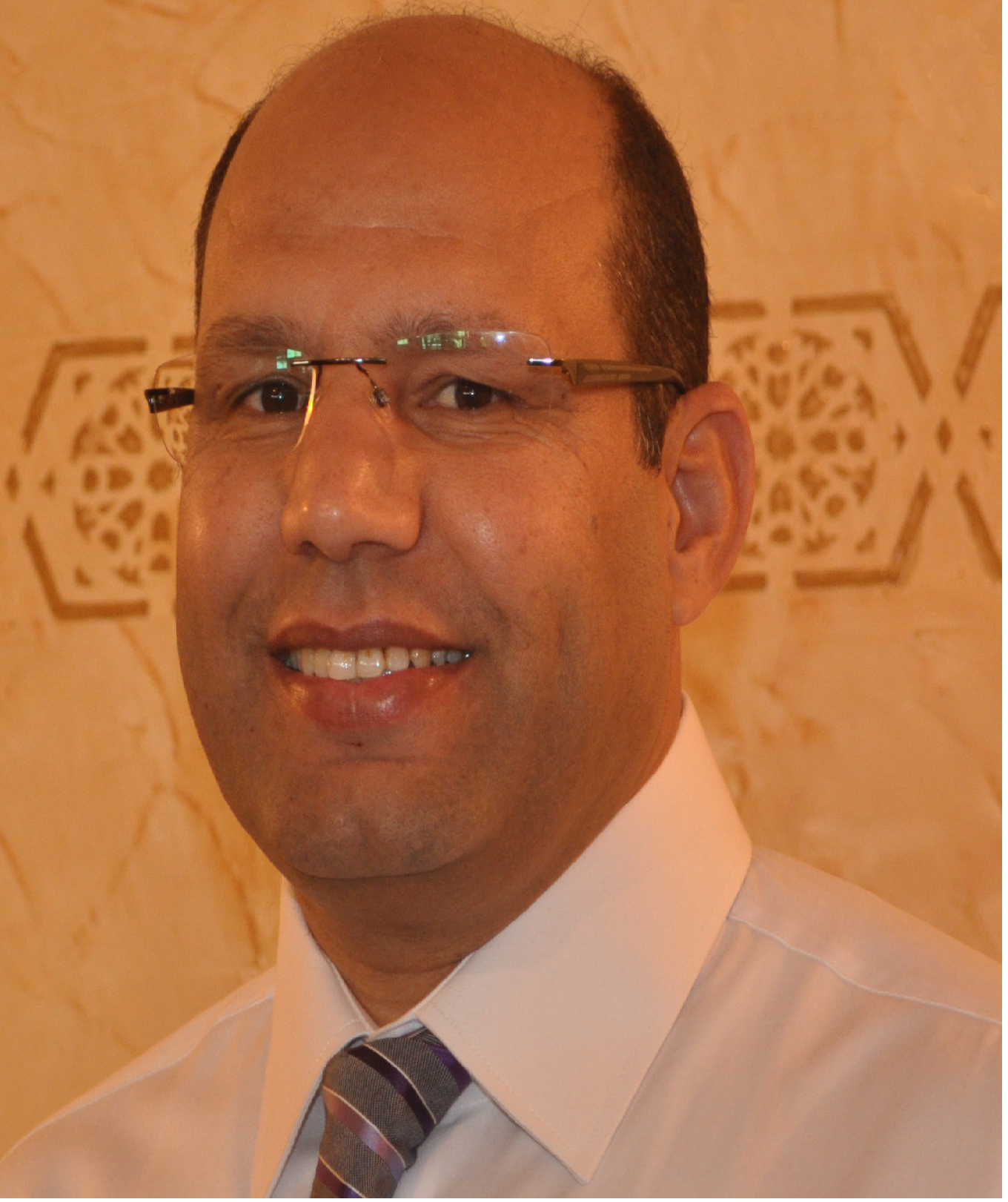
Abdelkrim MarzoukAbdelkrim Marzouk holds a PhD in Geography from Clark University in the United States (2005) and is a specialist in the development of geospatial technologies applied to environmental management and sustainable development. His areas of expertise include geographic information systems (GIS), spatial remote sensing, and quantitative modeling. At Al Akhawayn University, where he has been teaching since 2000, his career has been marked by increasing responsibilities: he was Director of Continuing Education (2016-2021), then Dean of the Faculty of Humanities and Social Sciences (2018-2021), before being appointed Dean of Continuing Education in January 2022. |